
RAM and SSD Prices: From Rags to Riches?

Daniel M.
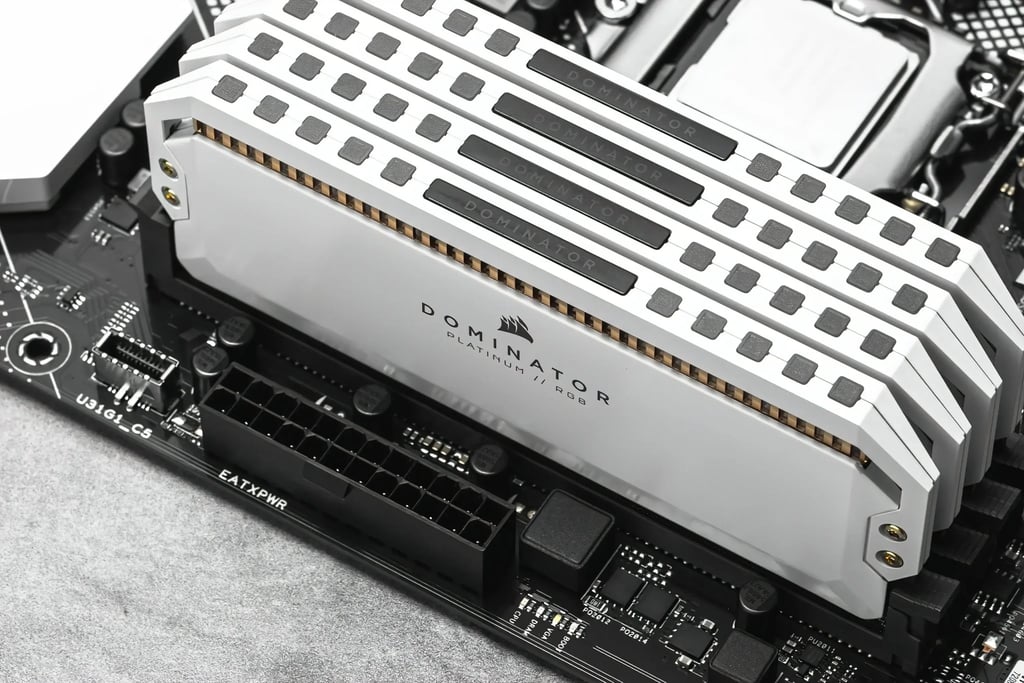
For most of the last decade, RAM and SSD prices generally trended downward — more capacity for less money, yay! But in the past year that script flipped. Prices for computer memory (DRAM) and SSD storage (NAND flash) have been on an upward sprint, with some segments doubling or more compared to where they were a year ago. Retail outlets and builders in both the U.S. and UK have reported sharp increases — including cases of RAM costs jumping several hundred percent before being passed on in prebuilt systems or component pricing.
🧠 Why the Sudden Surge?
There isn’t just one villain here — it’s a perfect storm:
1. AI Data Centres Want All the Memory
The biggest driver is the rapid build-out of AI infrastructure. Big cloud and hyperscale companies are churning through huge amounts of memory and flash for training and running large language models and other AI workloads. Memory manufacturers — especially heavy hitters like Samsung, SK Hynix, and Micron — are prioritising these high-margin, server-grade chips (like HBM and enterprise SSDs) and committing wafer capacity years in advance. That means fewer chips left over for the consumer market.
Think of it like a buffet where the VIP table (AI servers) goes first — and whatever’s left (if anything!) trickles down to everyone else.
2. Supply Has Tightened Up
After years of oversupply that drove prices down, manufacturers scaled back production (partly to protect profits). Then, as demand surged, they didn’t rush to flood the market again — making the supply chain tighter than most people expected.
3. Tech Transition & Product Shifts
The industry is also moving from older standards (like DDR4 memory and SATA SSDs) to newer ones (DDR5 RAM and PCIe 4/5 SSDs). These newer products are more expensive to make and in high demand — pulling focus away from the cheaper legacy stuff.
4. Broader Market Conditions
Geopolitics, wafer material scarcity, slower fab expansions, and longer lead times for new factories all add to ongoing supply constraints.
🧐 How It’s Playing Out in the UK
Although much of the discussion about RAM and SSD pricing is global, UK retailers and systems builders are feeling the effects in real time. Shops have reported modules and SSDs that previously cost a certain amount suddenly climbing in price within weeks or even days — and not just for high-end DDR5 kits but even for tried-and-true DDR4 and 1TB SSD drives as stock tightens.
For UK buyers, that means:
- Builds and upgrades cost more than they likely expected compared to recent years.
- Seasonal sales aren’t as good a bargain — prices start higher, so the discounts don’t feel like they used to.
- Availability fluctuates a lot — some products go in and out of stock more frequently.
🧩 What About SSDs?
SSDs aren’t as dramatically inflationary as RAM — but they’re still climbing. The same NAND flash that goes into SSDs is in high demand from servers and enterprise storage systems. With flash wafer allocation tightening, retailers are passing on costs, and some larger SSDs have doubled in price compared with previous norms.
🛠 Should You Panic-Buy?
Not quite — but strategy helps:
- If you really need upgrades, now might not be a terrible time to act, because future pricing forecasts suggest elevated costs could stick around through much of 2026.
- For non-urgent builds, waiting might pay off down the line as new fab capacity comes online (though that’s usually years, not months).
- Checking alternatives like DDR4 builds or used SSDs could ease budget pressure.
🧠 TL;DR
- RAM and SSD prices in the UK are surging after years of decline.
- The root cause is a global memory shortage driven by AI demand, supply tightness, and shifting manufacturer priorities.
- UK consumers are paying more for PC memory and storage — and things might stay that way for a while.
- Think of it not as conspiracy, but as economics meeting explosive demand and slow-moving supply.
If you’re planning a build or upgrade this year, it’s worth factoring in these trends — and maybe keeping an eye on deals while holding realistic expectations about how low prices might go.